Retro Airplane Embroidery: A Designer’s Review
When I first pulled up the Retro Airplane file on my screen, I wasn’t looking for complexity. I was looking for character. In the world of Transportation themed Embroidery, it is easy to fall into the trap of hyper-realism or overly technical schematics that lose their charm once stitched out. This design, however, immediately struck me as approachable. It has a distinct mid-century vibe, reminiscent of vintage travel posters and classic children’s book illustrations. As an experienced designer, I know that mood is just as important as stitch count. This piece promises nostalgia, and in today’s market, nostalgia sells.
First Impressions and Visual Personality
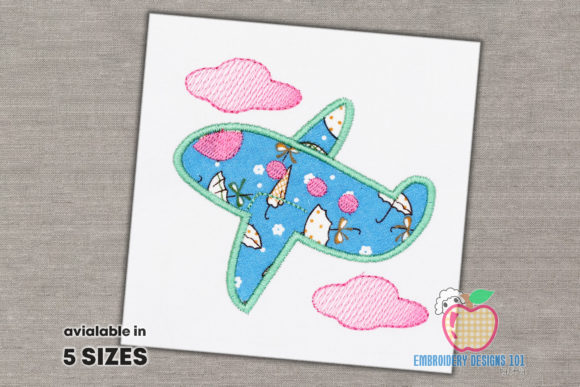
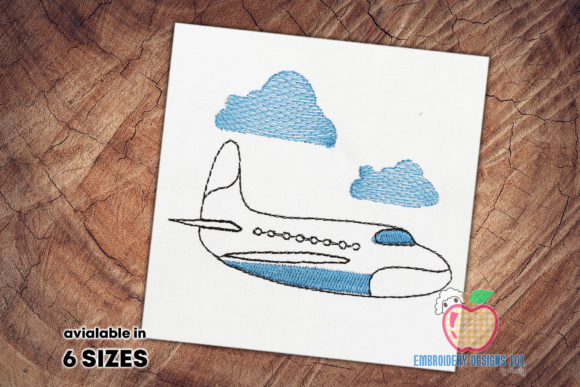
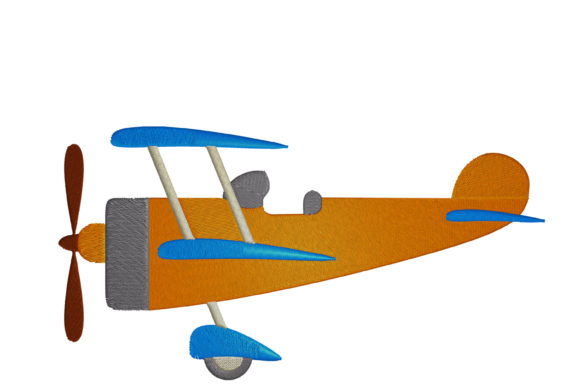
The layout of this machine embroidery design is balanced and clean. It avoids the clutter that often plagues digital files intended for quick downloads. The lines are confident, suggesting a mix of satin stitch borders and strategic fill stitch areas that will provide coverage without turning the fabric into a stiff cardboard patch. For a reviewer, the immediate question is always: "Will this look good from three feet away?" The answer here is yes. The silhouette is recognizable even at smaller sizes, which is crucial for versatility.
I appreciate that the design does not rely on excessive detail to convey its subject. The propeller, the wings, and the fuselage are stylized rather than literal. This simplification is a strength, not a weakness. It means the design is forgiving on various fabric textures and less likely to suffer from registration issues if the hoop shifts slightly during stitching. It feels like a design made by someone who understands how thread behaves, not just how pixels look on a monitor.
Real-World Application: The Custom Tote Test
To truly evaluate a design, you have to imagine it in a real project. I recently worked with a client who runs a small boutique selling eco-friendly goods. She needed a tote bag design that would appeal to parents and travelers alike. We considered several options, but Retro Airplane stood out. Why? Because it bridges the gap between childish whimsy and adult aesthetic appreciation.
We tested the design on a heavy canvas tote. Using a cut-away stabilizer to support the weight of the stitches, the result was crisp. The thread colors we chose—a muted teal for the body and a warm mustard for the accents—popped against the natural beige fabric. This is where the design shines: it allows for creative color interpretation. It doesn’t demand specific shades to be recognizable, giving the Etsy seller or craft business owner flexibility to match seasonal trends or brand palettes.
Versatility Across Product Lines
Beyond tote bags, this digital embroidery file shows promise across a wide range of handmade products. Here is where I see it performing best:
- Sweatshirt embroidery: Placed on the left chest of a hoodie, it acts as a subtle branding element or a cute personal touch for custom apparel.
- Baby embroidery: On a onesie or burp cloth, the retro style feels timeless rather than trendy, making it a strong candidate for personalized gift items.
- Embroidered patch: With dense stitching and a satin border, this could easily be cut out and ironed on, creating a high-value accessory for jackets or backpacks.
- Holiday embroidery: Pair it with cloud motifs or luggage tags for a travel-themed Christmas gift set.
For small shop product lines, consistency is key. This design fits seamlessly into a broader collection of travel or vintage-inspired design assets. It looks professional in printable mockup previews, which helps online buyers visualize the finished product before purchasing.
Technical Considerations and Stitching Reality
While the design is labeled as "fun and easy to stitch," a professional must look closer. "Easy" is relative. Here are the practical notes I jotted down during my evaluation:
- Stitch Density: Always check the density settings in your software. If the fill areas are too dense for lightweight fabrics like t-shirts, you risk puckering. Use a tear-away stabilizer for knits and test on scrap fabric first.
- Fabric Choice: This design works beautifully on medium-to-heavy weights like cotton twill, denim, or fleece. Be cautious with very thin silks or stretchy jersey unless you have significant experience with stabilization.
- Small Details: If you plan to scale this down for a cap or a small pocket, inspect the propeller and wing tips. Tiny details can get lost or break if the needle size is too large or the thread tension is off.
- Color Contrast: The design relies on shape, but color defines it. Test it in black and white mockups to ensure the contrast holds up. On dark fabrics, consider using a lighter underlay or choosing bright thread colors to maintain visibility.
It is also vital to remember that this is a commercial embroidery asset. Before listing any completed product on your store, confirm the licensing terms provided with the file. Most designers allow sale of physical items but restrict the resale of the digital file itself. Always read the fine print to protect your craft business.
Enhancing Brand Value and Customer Trust
Why does a design like Retro Airplane matter for your brand? Because it communicates quality. Sloppy, overly complex, or generic designs can make a handmade product look amateurish. This design, with its clean lines and thoughtful composition, elevates the perceived value of the item. When a customer sees a well-executed embroidered plane on a high-quality hoodie, they trust the maker’s skill.
This trust translates to buyer engagement. Customers are more likely to share photos of products that look polished and unique. A well-stitched embroidery project becomes a marketing tool in itself. Whether you are selling at a craft fair or online, the visual appeal of this design helps your products stand out in a crowded marketplace.
Final Verdict for Designers
If you are looking for a reliable, versatile addition to your library, Retro Airplane is a solid choice. It is not just a cute graphic; it is a functional design element that respects the limitations and strengths of machine embroidery. It requires standard care—proper hooping, appropriate stabilizer, and quality thread—but rewards that effort with a clean, professional finish.
For those new to selling digital product based goods, start with this design on simple items like tote bags or pillow covers. Master the stitch-out, refine your color combinations, and then expand to more complex garments. It is a forgiving design that builds confidence. For seasoned pros, it offers a quick, high-impact accent that can be customized endlessly. In the end, the best designs are the ones that make your work easier and your products more desirable. This one does both.